Introduction
Cracking a phone screen is a common occurrence as phones are an integral part of daily life. A small accident can lead to unsightly cracks, affecting both the phone’s appearance and functionality. While professional repair is the most reliable solution, various methods can help temporarily conceal the damage. This article delves into DIY solutions to mask screen cracks and offers guidance on when to opt for professional repair.

Understanding Phone Screen Cracks
Evaluating the type and cause of a screen crack helps in deciding the right temporary fix.
Types of Phone Screen Damage
Phone screens can sustain either superficial cracks, impacting only the glass layer, or deeper damages affecting touch sensitivity and screen graphics.
Common Causes of Screen Cracks
Cracking can result from drops, pressure from tight pockets, or thermal fluctuations. Understanding the cause aids in preventing further mishaps.
Identifying the type and cause of the crack prepares you for appropriate temporary fixes and preventative measures.
Assessing the Severity of the Crack
Determining the extent of the damage is crucial before moving to temporary fixes.
Visual Inspection Techniques
Observe the screen under bright light for any apparent fractures and feel the surface for irregularities.
Functionality Tests for Touch and Display
Test the screen’s responsiveness by accessing different apps and identifying any unresponsive areas. This checks if the problem is purely cosmetic or more functional.
Once you’ve assessed the damage, you can choose an appropriate DIY or cosmetic fix to improve your phone’s appearance and functionality.
Temporary DIY Solutions to Conceal Cracks
Simple DIY methods can help hide minor cracks and delay further damage.
Using a Screen Protector for Minor Cracks
- Choose Tempered Glass or Plastic Film: Tempered glass offers better protection against further damage, while plastic film provides basic scratch protection.
- How to Apply: Clean the screen, align the protector carefully, and apply it slowly to avoid bubbles.
Application of Liquid Screen Protectors
- Advantages: Liquid screen protectors can fill small cracks, making them less visible and providing a smooth finish.
- How to Use: After cleaning the screen, evenly apply the liquid using a microfiber cloth.
These methods can minimize the visibility of cracks while offering an additional layer of protection for the screen.
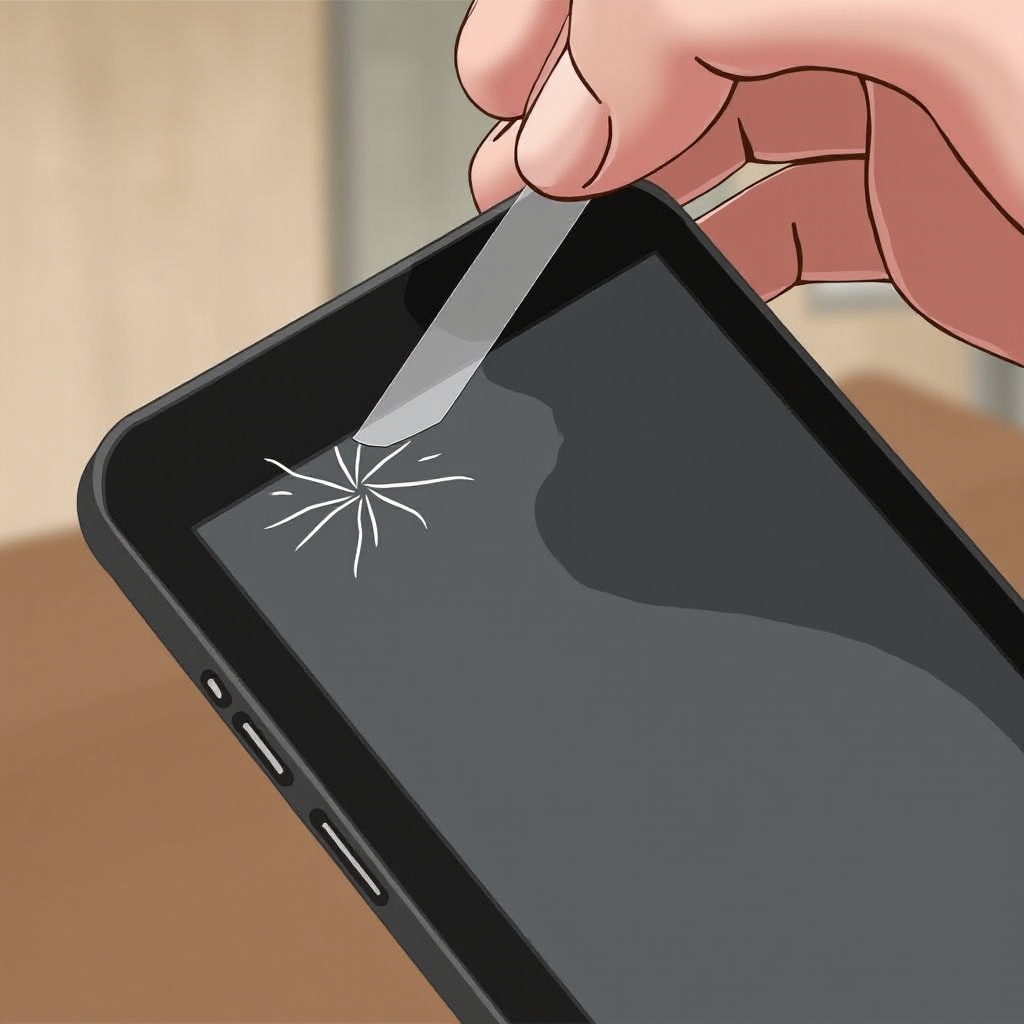
Cosmetic Fixes to Improve Appearance
Enhancing your phone’s look by addressing its flaws can be both practical and fun.
Applying Toothpaste or Baking Soda Mix
Toothpaste or a mixture of baking soda and water can help polish minor screen imperfections. Apply it gently with a smooth cloth, then wipe it off with a damp cloth.
Decorating with Stickers and Skins
Personalize your phone with stickers or skins that match your style. Decorative elements like these divert attention from the cracks.
These creative approaches not only improve the phone’s appearance but can also express personal style while masking the imperfections.
Evaluating Professional Repair Options
Considering expert repair is important when DIY methods are insufficient, ensuring the device’s durability and performance.
Signs You Need Professional Help
If there are issues like screen unresponsiveness, dead pixels, or spreading cracks, professional repair is advisable.
Cost Comparison: Repair vs. Replacement
Evaluate repair costs against buying a new phone, especially if the phone is old and likely to incur more issues.
Professional service ensures complete functionality and safety of the device, preventing further complications.

Conclusion
Waiting too long to repair a badly cracked screen can lead to larger issues, but DIY solutions effectively mask minor damage. Understanding the problem and knowing when to seek professional service will help maintain your phone’s utility and lifespan. Choose a method that aligns with your needs, keeping your device looking sharp until you decide to pursue a permanent repair or replacement.
Frequently Asked Questions
Can toothpaste actually fix a cracked phone screen?
Toothpaste can reduce the visibility of small scratches, but it won’t repair significant cracks.
Is using a liquid screen protector effective for hiding cracks?
Liquid screen protectors can fill minor cracks, reducing their visibility, but won’t fix deeper damage.
When is it better to replace a phone instead of repairing it?
It’s advisable to replace the phone if repair costs exceed half the price of a new one or if the device is outdated.